



Blog
Shoring for Deep Excavations in the UAE: Systems, Risks and Construction Planning

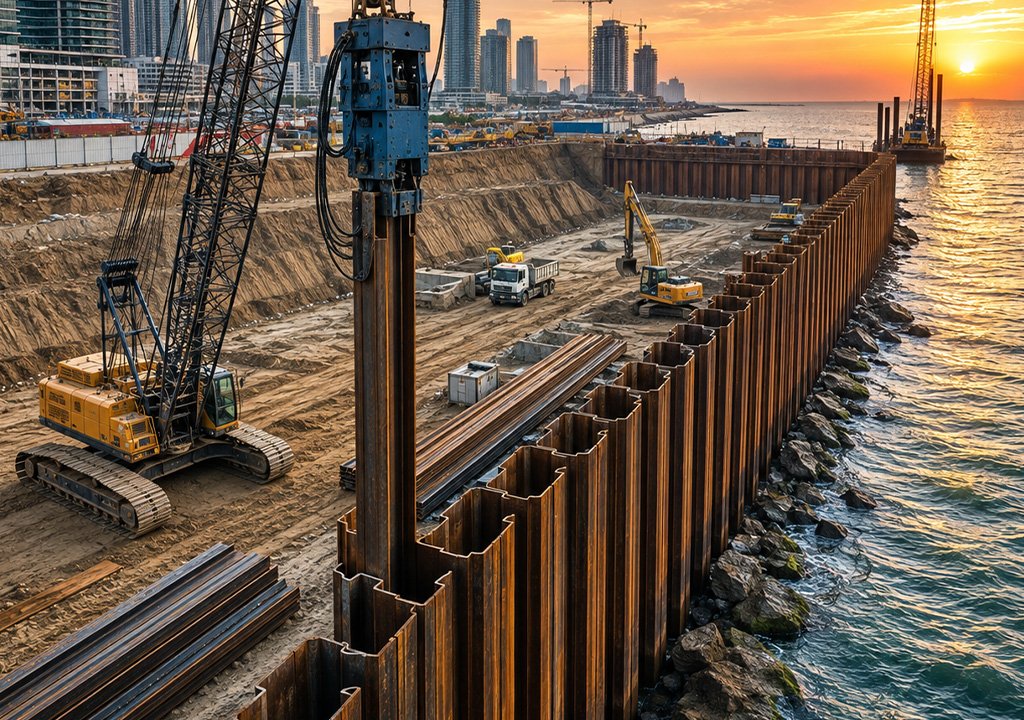
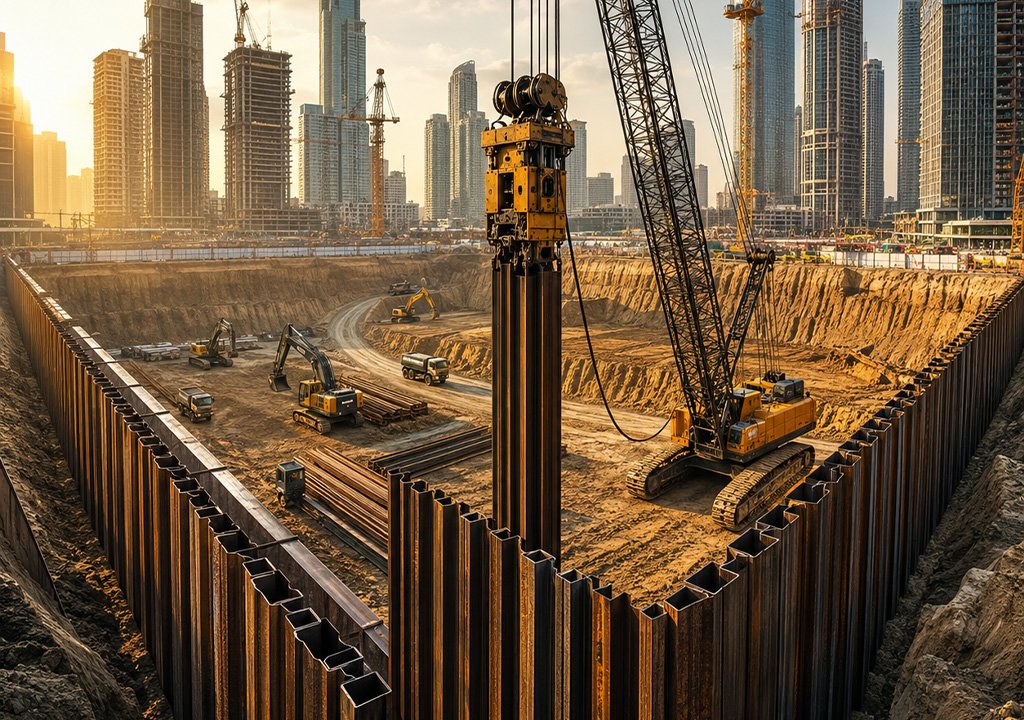
A deep excavation changes the balance of the ground. Soil that was previously confined becomes exposed, groundwater can enter the excavation and nearby foundations or utilities may be affected by movement. Shoring is the engineered system that retains the ground and creates a controlled space for basement, infrastructure or below-ground construction. In dense UAE developments, the shoring strategy is often as important to buildability as the permanent foundation itself.
What does a shoring system need to do?
A shoring system must retain soil, resist lateral pressure and maintain stability through each excavation stage. Depending on the project, it may also need to limit movement near neighbouring structures, manage groundwater interfaces and remain compatible with the permanent basement or structural works. The system is therefore designed around excavation geometry, soil and groundwater, surcharge loads, boundaries and construction sequence.
Common shoring elements
Shoring can use soldier piles and lagging, contiguous or secant pile walls, sheet piles, diaphragm walls or other approved systems. Lateral support may come from ground anchors, internal struts, walers or staged structural slabs. The appropriate arrangement depends on the design and site. A system that works on an open plot may not be practical beside an occupied building or property boundary.
Soldier piles and lagging
Soldier pile systems use spaced vertical structural members with lagging installed between them as excavation proceeds. They can provide flexible temporary retention where the ground between piles is sufficiently stable and a fully watertight wall is not required. Deeper excavations can require anchors or internal bracing to control bending and movement.
Ground anchors and open excavation space
Ground anchors transfer tensile forces from the shoring wall into a stable bond zone beyond the active ground. Where permissions and ground conditions allow, anchors can reduce internal obstruction and leave the excavation more open for earthmoving and structural works. Anchor geometry must consider property boundaries, utilities and adjacent assets.
Groundwater changes the problem
Groundwater can increase pressure, cause inflow and contribute to soil loss if not managed correctly. Shoring, excavation and groundwater control should therefore be coordinated rather than planned independently. The selected retaining system, joints, toe depth and any dewatering measures must reflect the project design and observed conditions.
Why excavation sequence is critical
Deep excavation is a staged operation. Excavating below the level assumed by the temporary-works design before installing the next anchor, strut or waler can change forces in the wall and surrounding ground. Method statements should clearly identify excavation levels, support installation stages, hold points and monitoring requirements.
Monitoring and adjacent assets
Sensitive excavations may require movement or groundwater monitoring. Instruments and trigger levels are defined by the project team so that observed behaviour can be compared with acceptable limits. Monitoring is most useful when readings are reviewed promptly and linked to an agreed response plan rather than collected only for records.
What main contractors should clarify before shoring starts
Confirm approved drawings, utilities, access, working platform, boundary permissions, anchor easements where relevant, monitoring, groundwater strategy, excavation disposal routes and interfaces with permanent works. Also clarify who controls the excavation sequence and who has authority to stop work if observed conditions differ from assumptions.
Integrated shoring and foundation execution
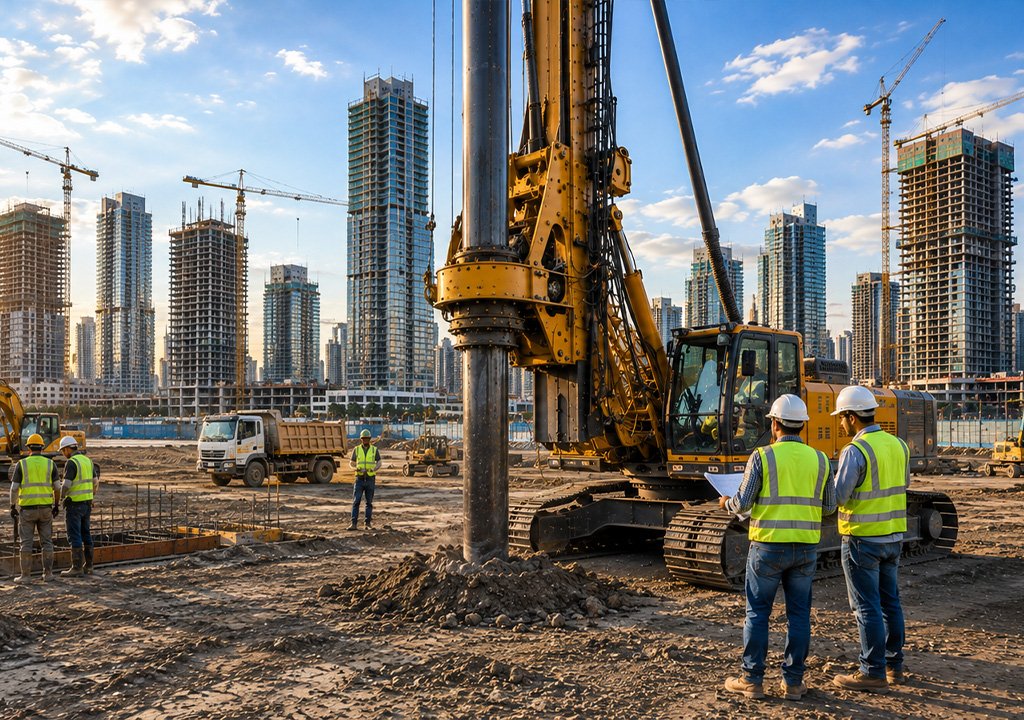
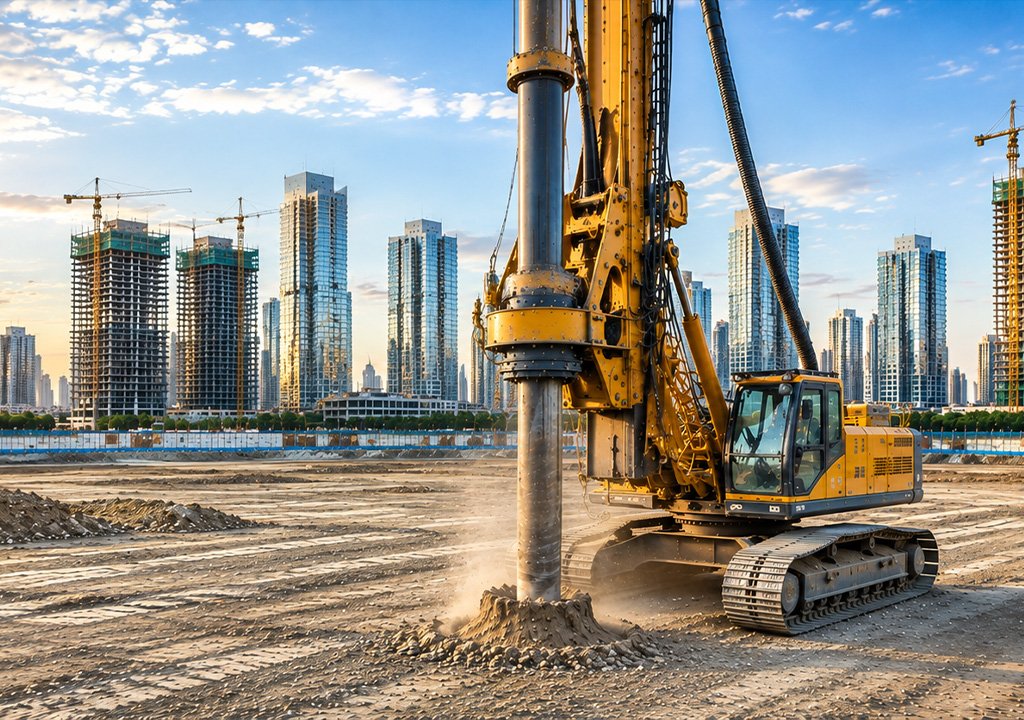
PDS Piling provides shoring works, soldier piles, ground anchors, drilling and excavation alongside bored piles, CFA piles and micropiles. Coordinating these activities within a defined foundation package can reduce gaps between the retaining system, excavation sequence and permanent foundation works. Our team supports projects in Dubai, Abu Dhabi and other UAE locations.
Frequently Asked Questions
What is shoring in construction?
Shoring is an engineered temporary or permanent system that retains soil and supports an excavation so below-ground construction can proceed safely.
When does an excavation need shoring?
The need depends on depth, ground, groundwater, available space, nearby assets and the approved temporary-works design.
Are soldier piles watertight?
Conventional soldier pile and lagging systems are not generally watertight, so groundwater and soil-loss risks need separate consideration.
What do ground anchors do?
They provide tensile support to retaining structures by transferring load into a stable bond zone in soil or rock.
Why is staged excavation important?
Support elements are designed to become active at particular levels. Excavating out of sequence can change wall forces and movement.
Does PDS Piling provide excavation with shoring?
Yes, excavation can be coordinated with PDS Piling shoring, anchors and related foundation works where included in the project scope